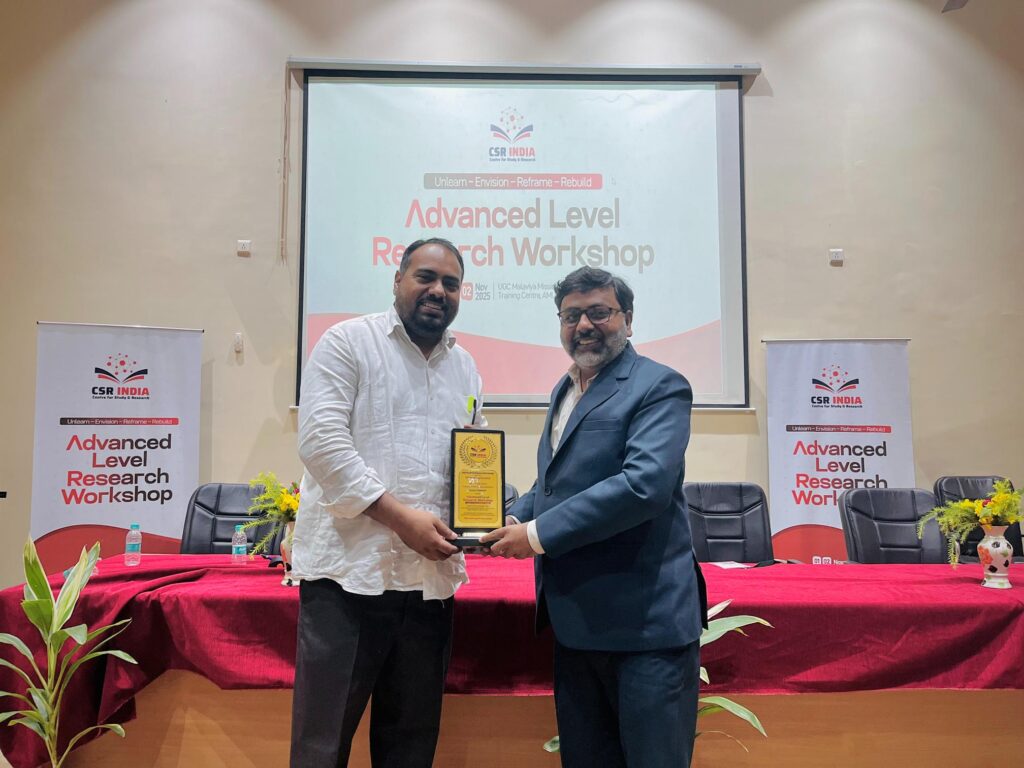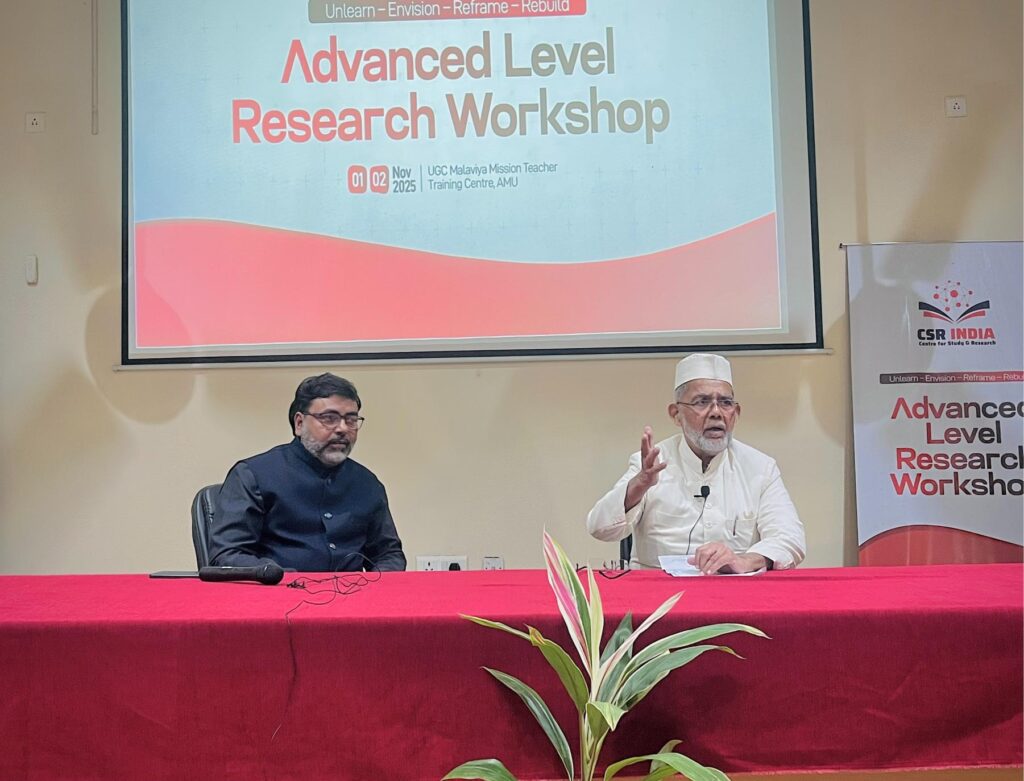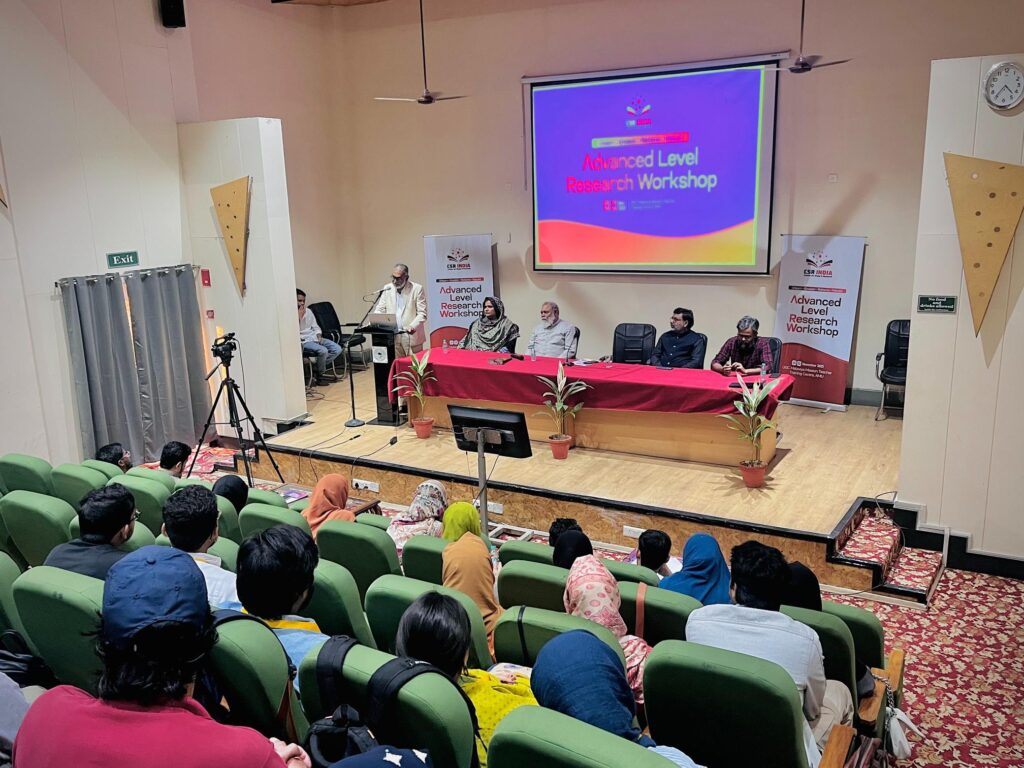
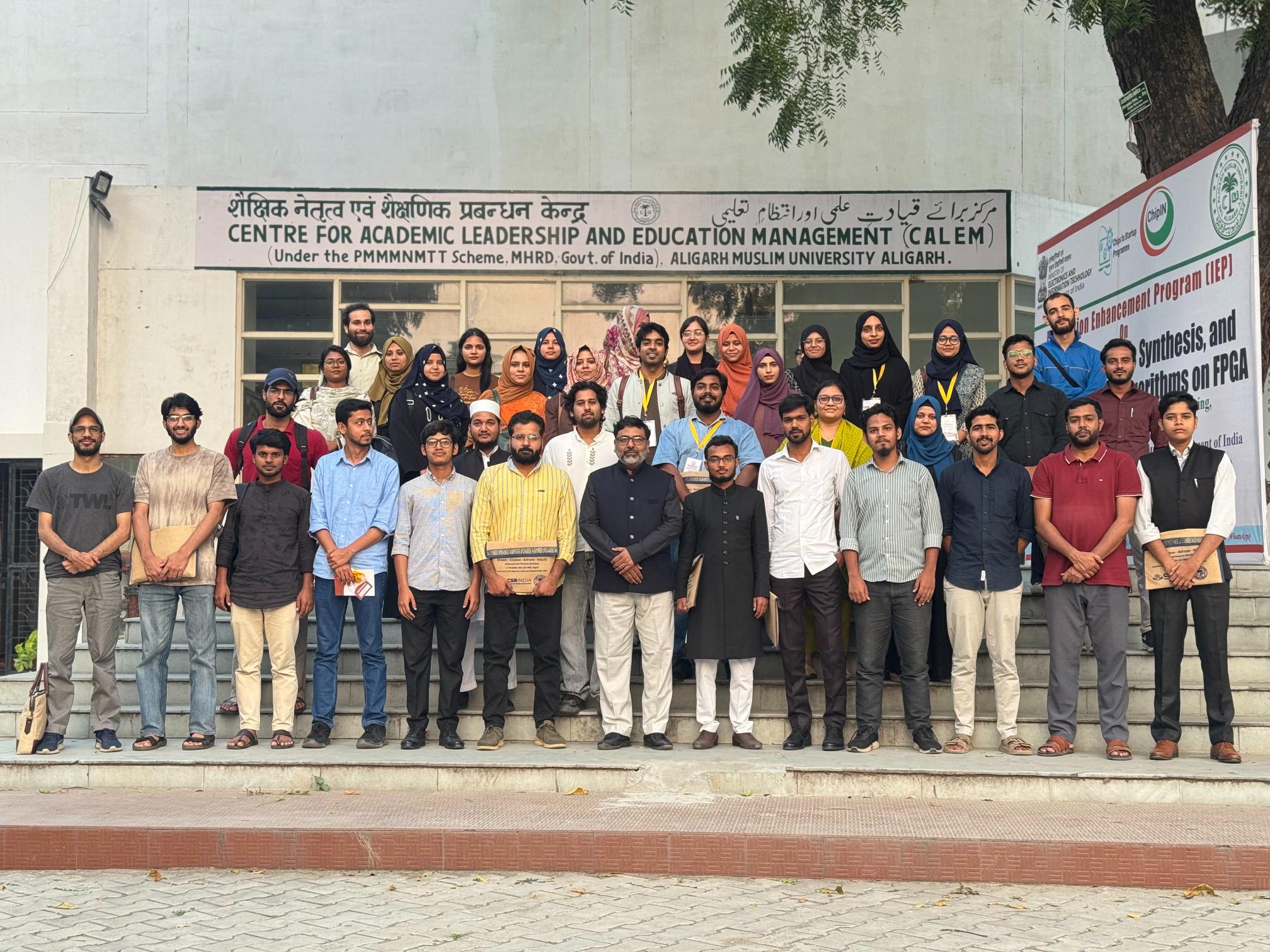
Aligarh: The Centre for Study and Research (CSR India), New Delhi, organised an “Advanced Level Research Workshop” titled “Unlearn – Envision – Reframe – Rebuild” at the UGC Human Resource Development Centre, Aligarh Muslim University (AMU), Aligarh, on 1–2 November 2025. The programme was designed to engage researchers in rethinking academic methodologies and embracing new perspectives on knowledge creation.
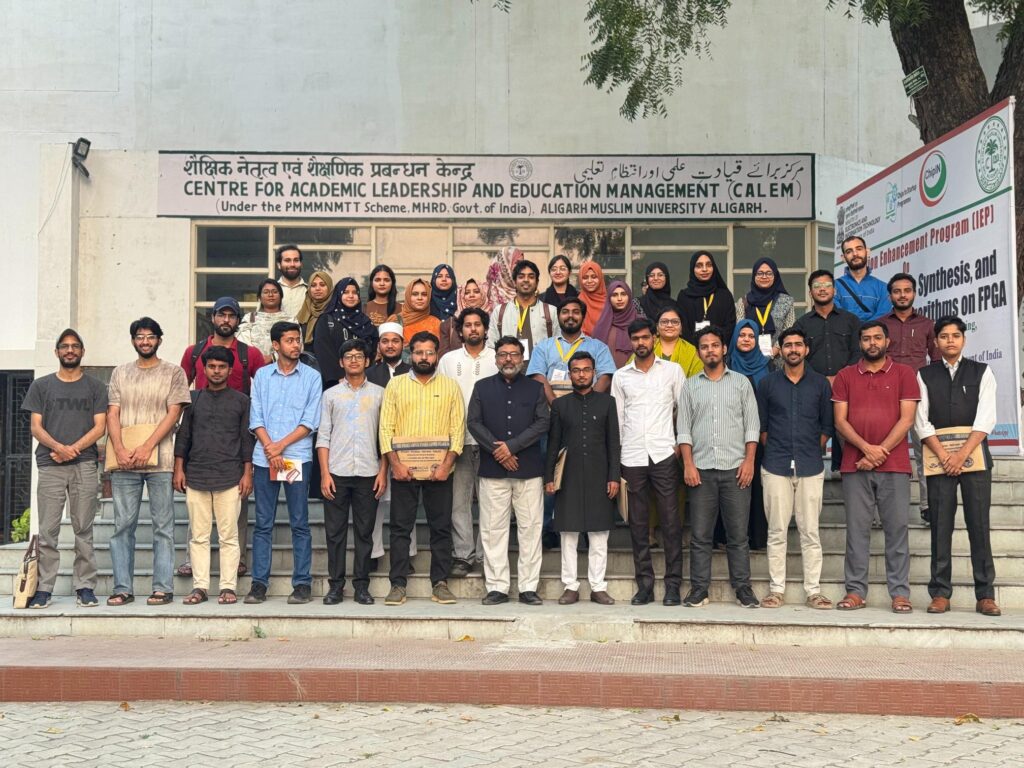
A diverse group of participants, including master’s students, early-stage doctoral scholars, and young researchers, attended the event, eager to examine and refine their scholarship critically. Over two days, the workshop provided opportunities for active scholarly engagement, facilitated learning of advanced research methods through practical examples, and offered meaningful conversations among peers and mentors.
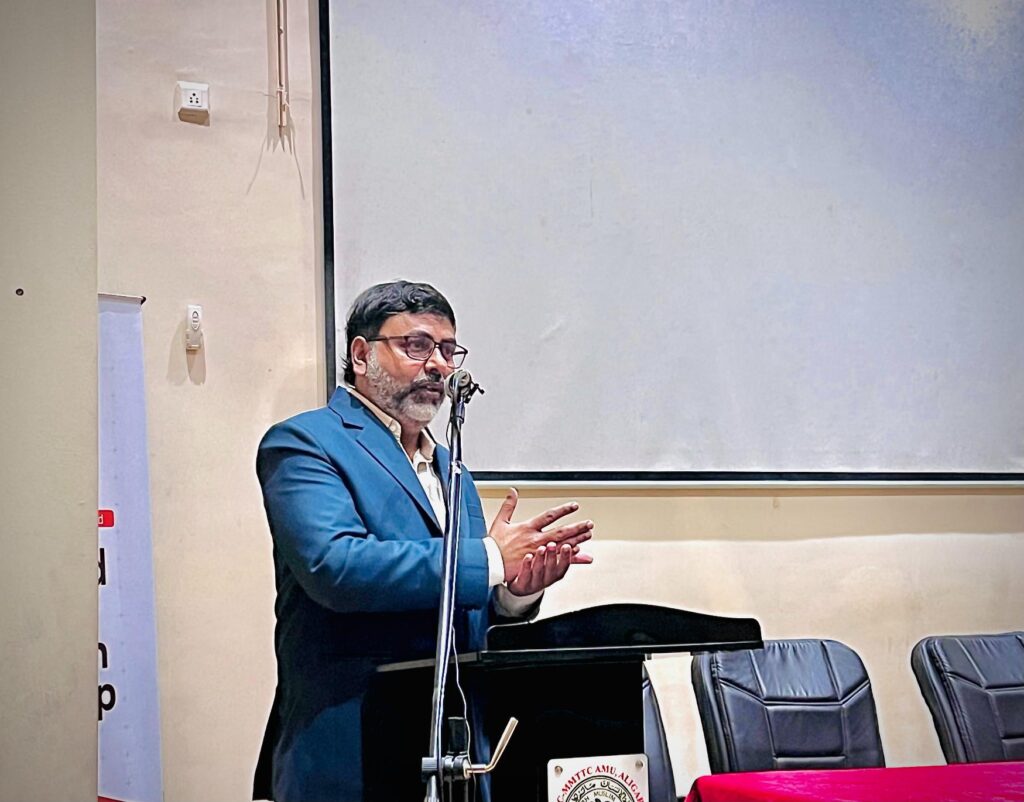
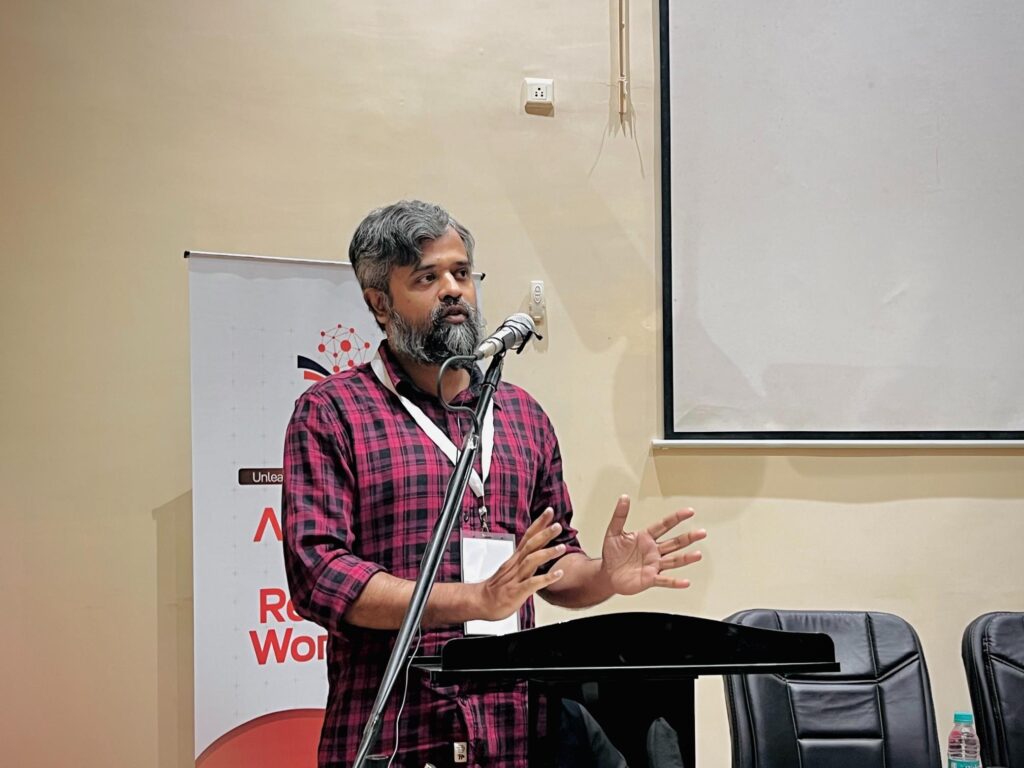
Sessions moved beyond conventional frameworks, introducing non-Eurocentric viewpoints that are shaping the evolution of scholarly practice. The workshop opened with Dr. Mohammed Rizwan (Director, CSR) outlining the centre’s commitment to inclusive and alternative research. This was followed by Dr Irfanullah Farooqui (Assistant Professor, IIM Kozhikode), who addressed the dynamics of complexity and change in academic knowledge.
Significantly, Mr. Parvez Alam (Assistant Professor, AMU) led a session exploring methodological perspectives in social sciences, emphasising the value of unlearning established patterns as a foundation for building renewed understanding. Prof. Berghout Abdelaziz (International Islamic University Malaysia) offered insights on reimagining knowledge structures from a civilisational and Tawhidic (unity-based) perspective.
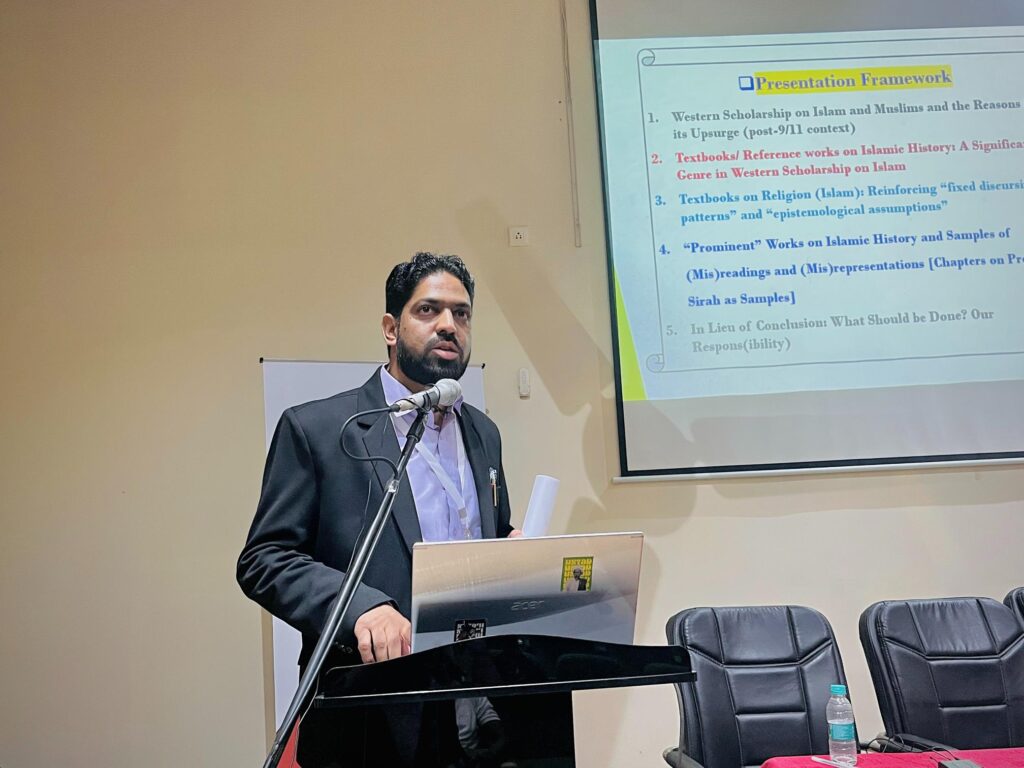
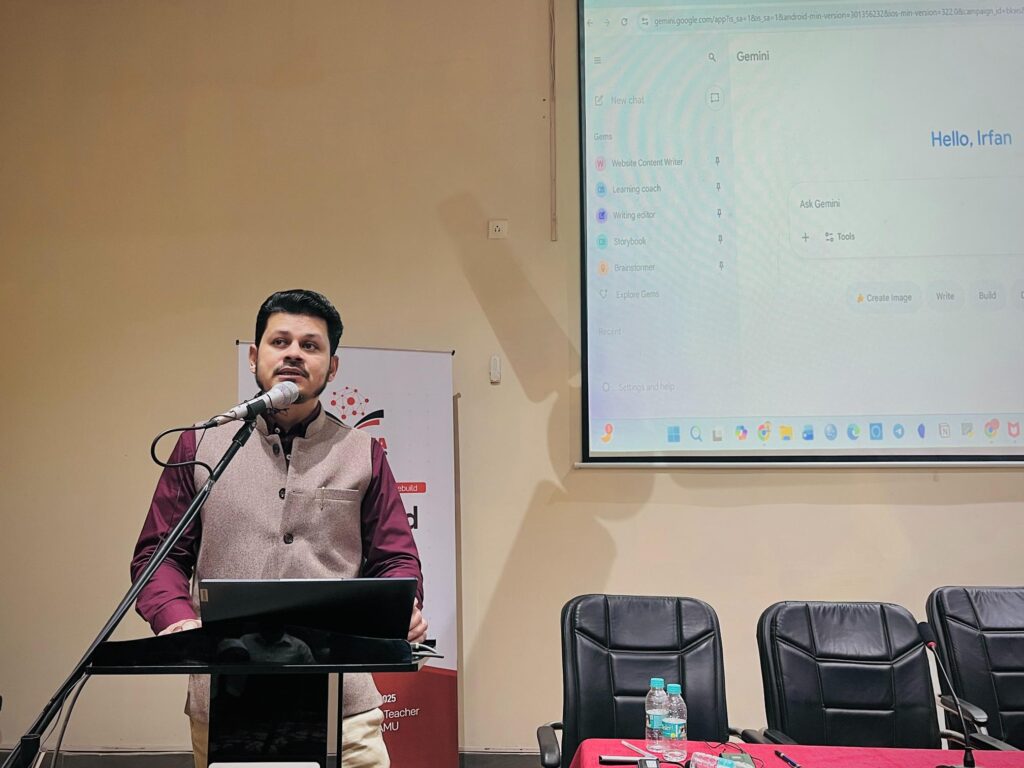
Further, Dr. Tauseef Ahmad Parray (Assistant Professor, Islamic Studies, Higher Education Department, J&K) examined key issues in contemporary Western scholarship on Islam, reflecting on prevalent misreadings and misrepresentations of Islamic history. Dr. Irfan Waheed (Assistant Secretary, Tasneefi Academy) discussed integrating artificial intelligence to enhance scholarly work, including writing, research, and idea management.
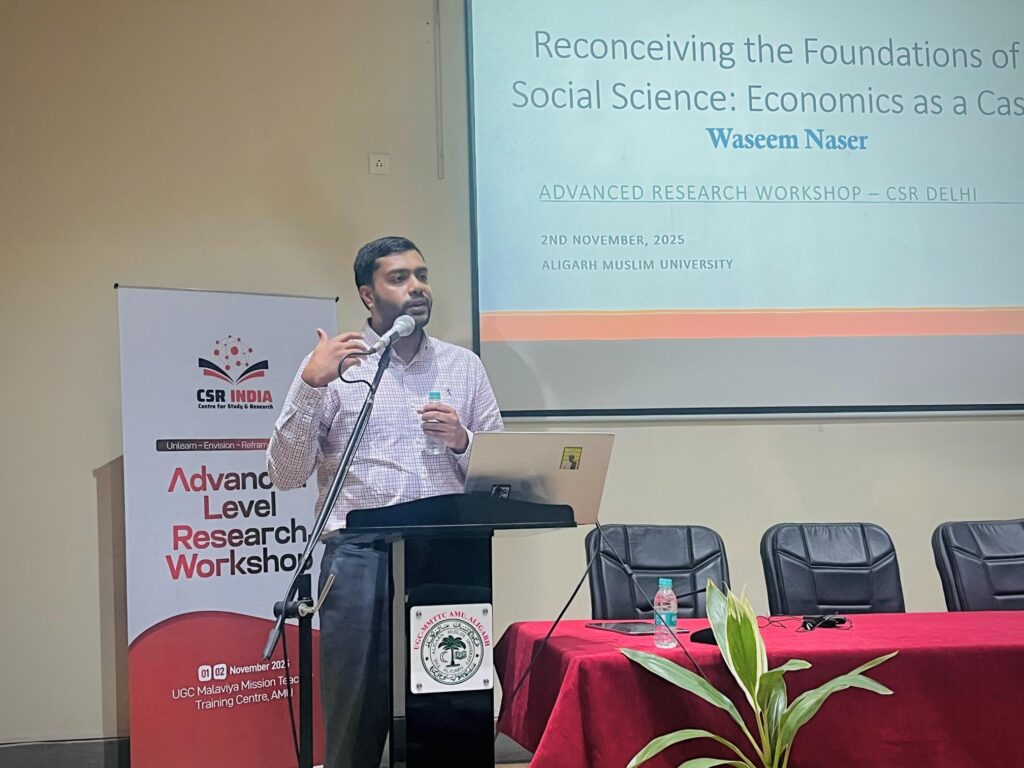
The second day began with a virtual lecture by Dr. Zulqernain Haider (International Islamic University Malaysia), who spoke about combining Islamic studies and social sciences, followed by Dr. Waseem Naser (Post-Doctoral Fellow, CSR) offering an innovative perspective on the foundations of economics within social sciences.
Senior academics such as Prof. Muhammad Mumtaz Ali (International Islamic University Malaysia) contributed with a lecture on reimagining research paradigms, while Dr Yusuf Amin (Vice-President, CSR) and Dr. Rizwan held a conversation on re-sacralising knowledge and current methodological challenges.
In final session, Dr. Irfanullah Farooqui reflected critically on the nature of scholarly thinking, and Dr Mohammed Rizwan discussed matters of publication and the complexities involved in disseminating research. The event concluded with an address by Jb. S. Ameenul Hasan (Chairman, CSR), attended by Prof. Naseem. The workshop brought together sixty participants from universities including AMU, Delhi University, Jamia Millia Islamia, Maulana Azad National Urdu University, and Darul Huda Islamic University.