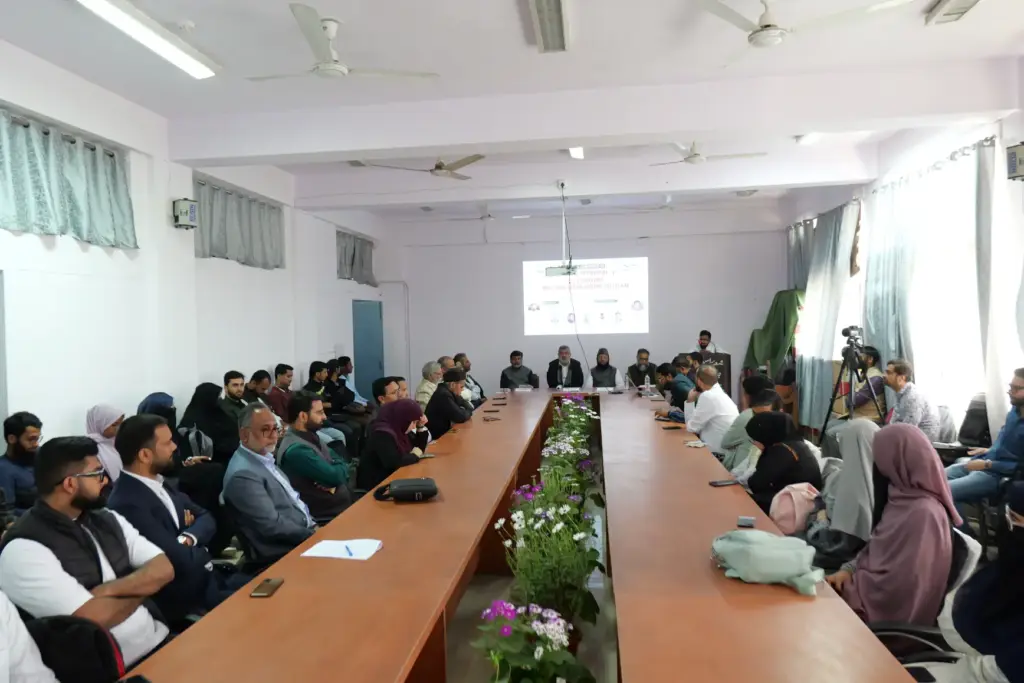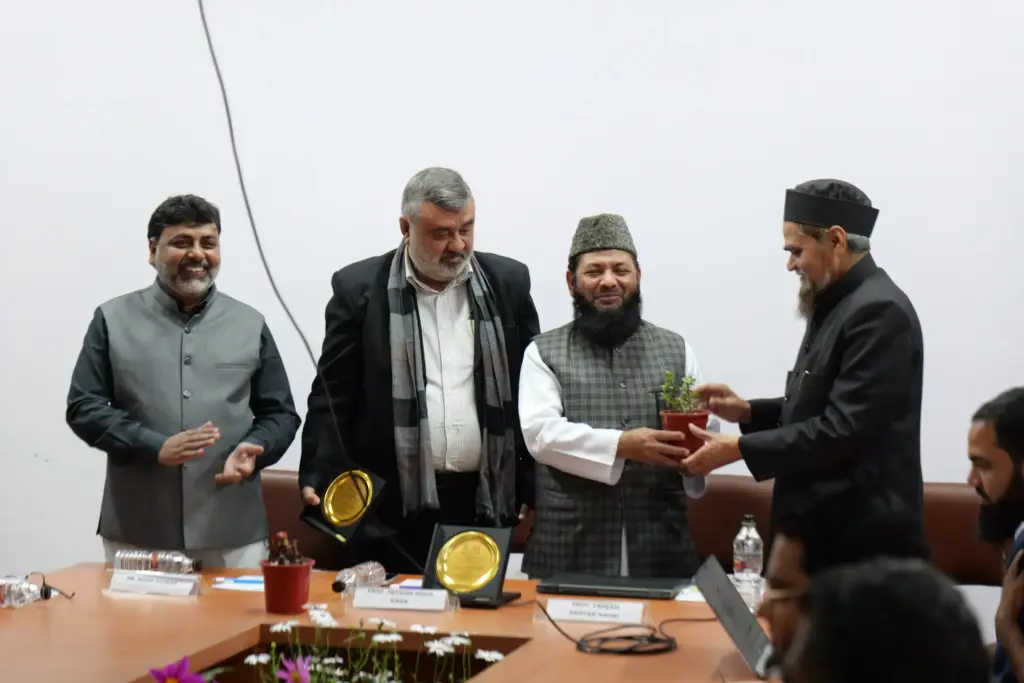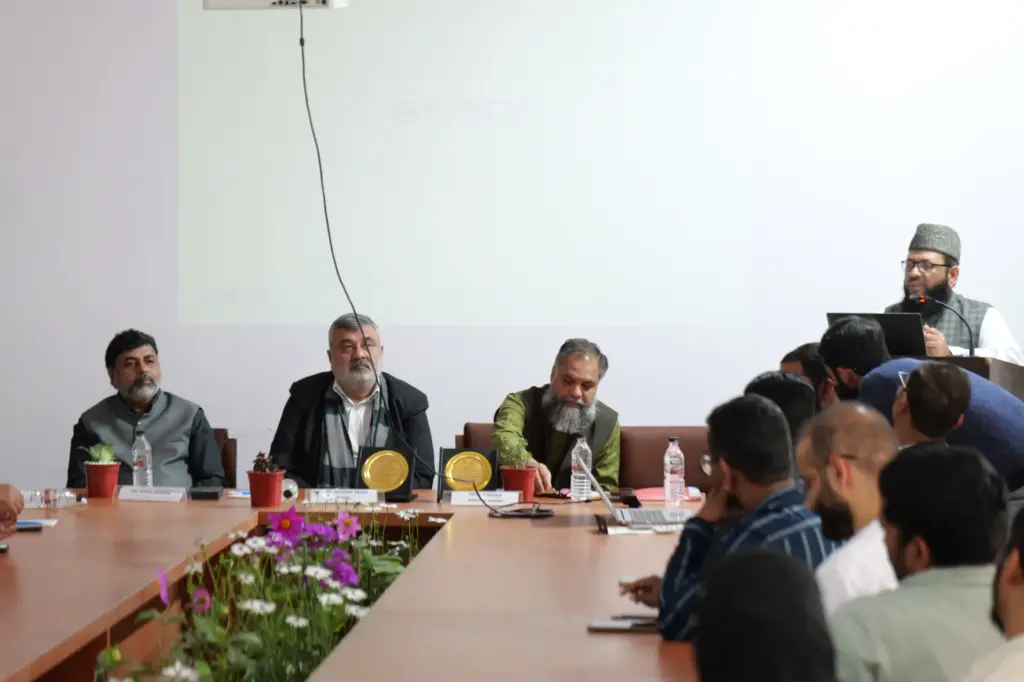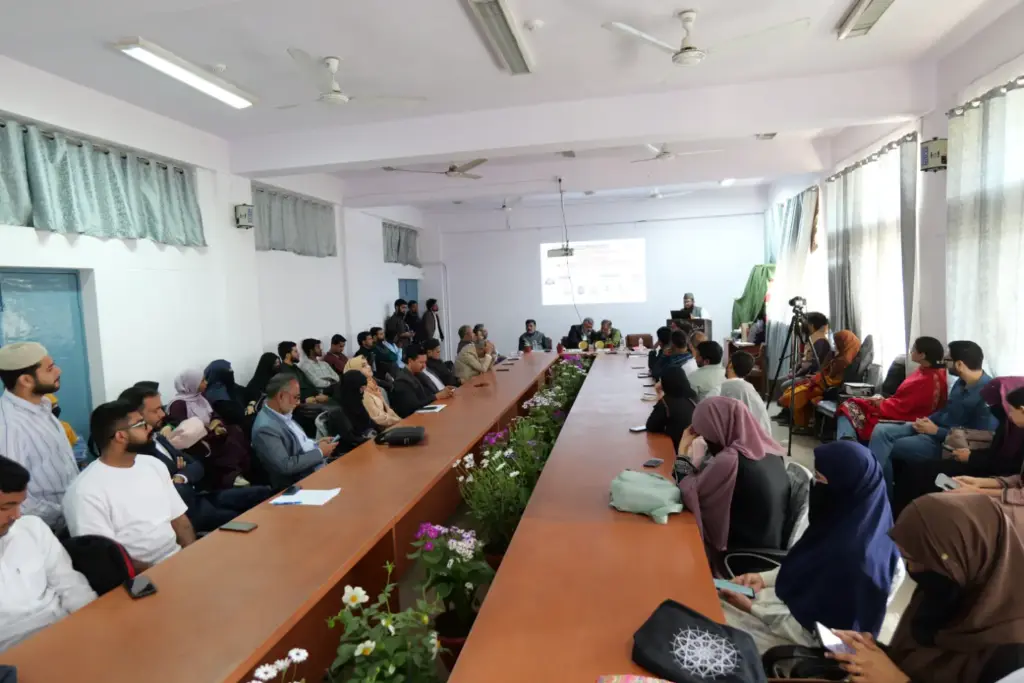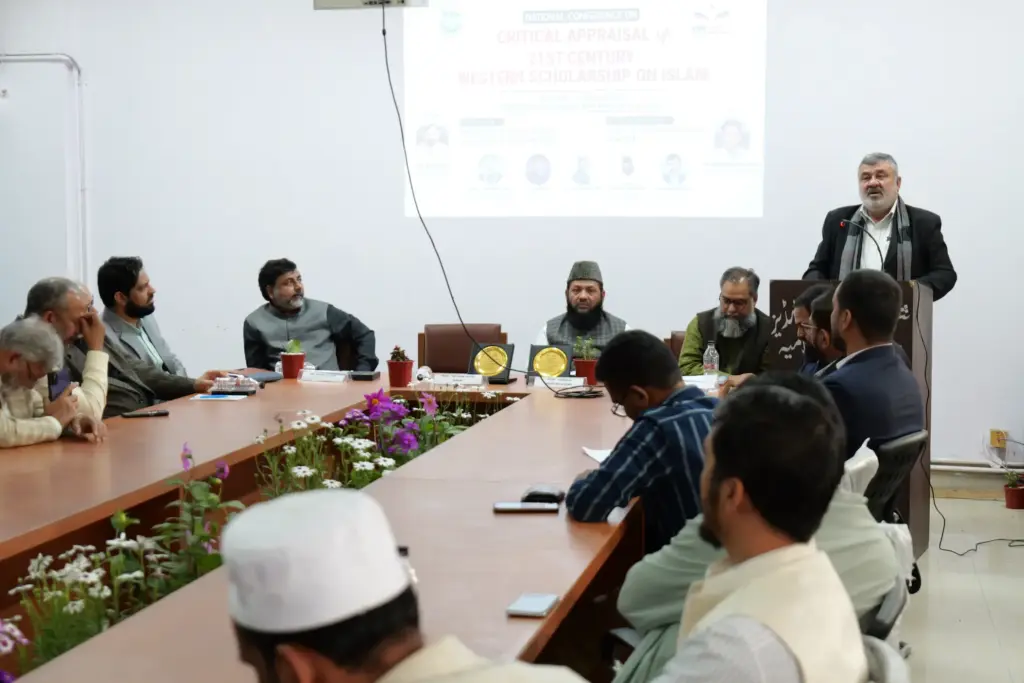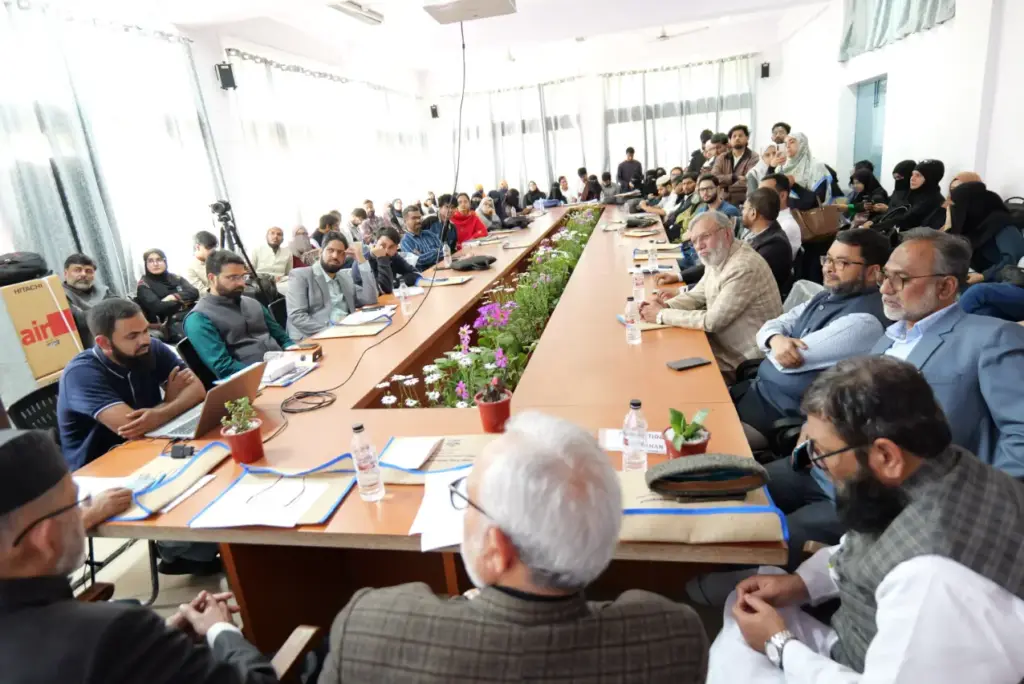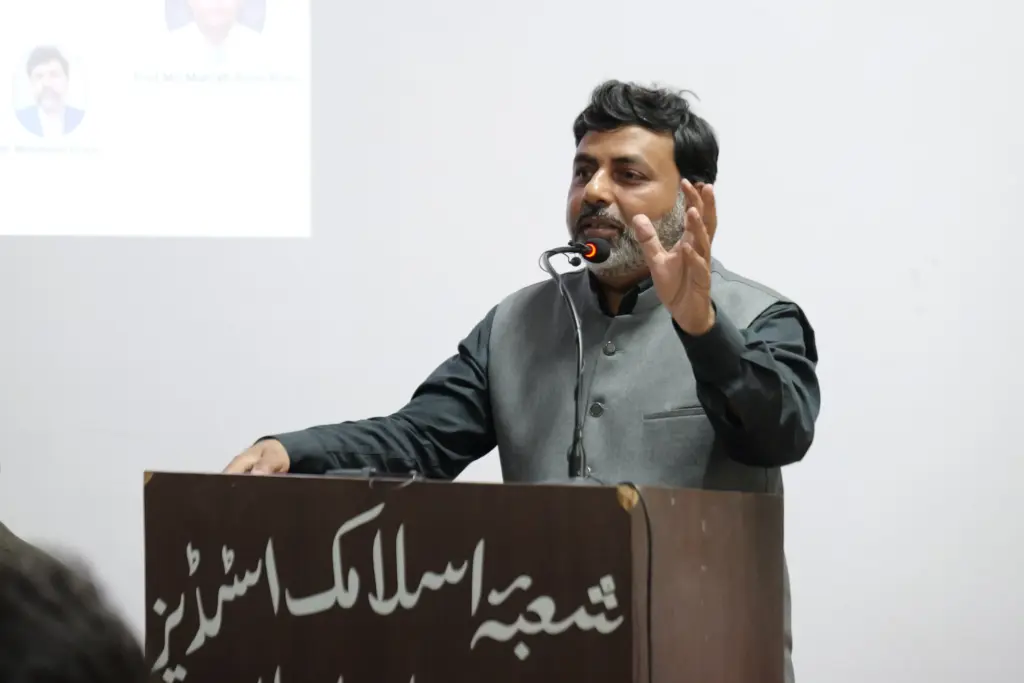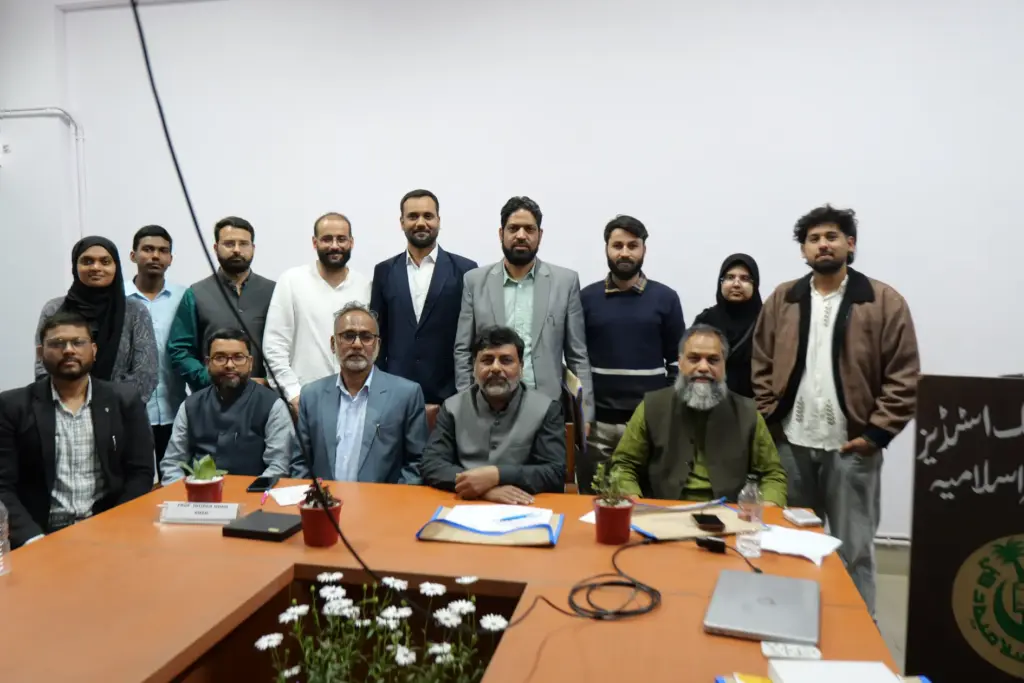
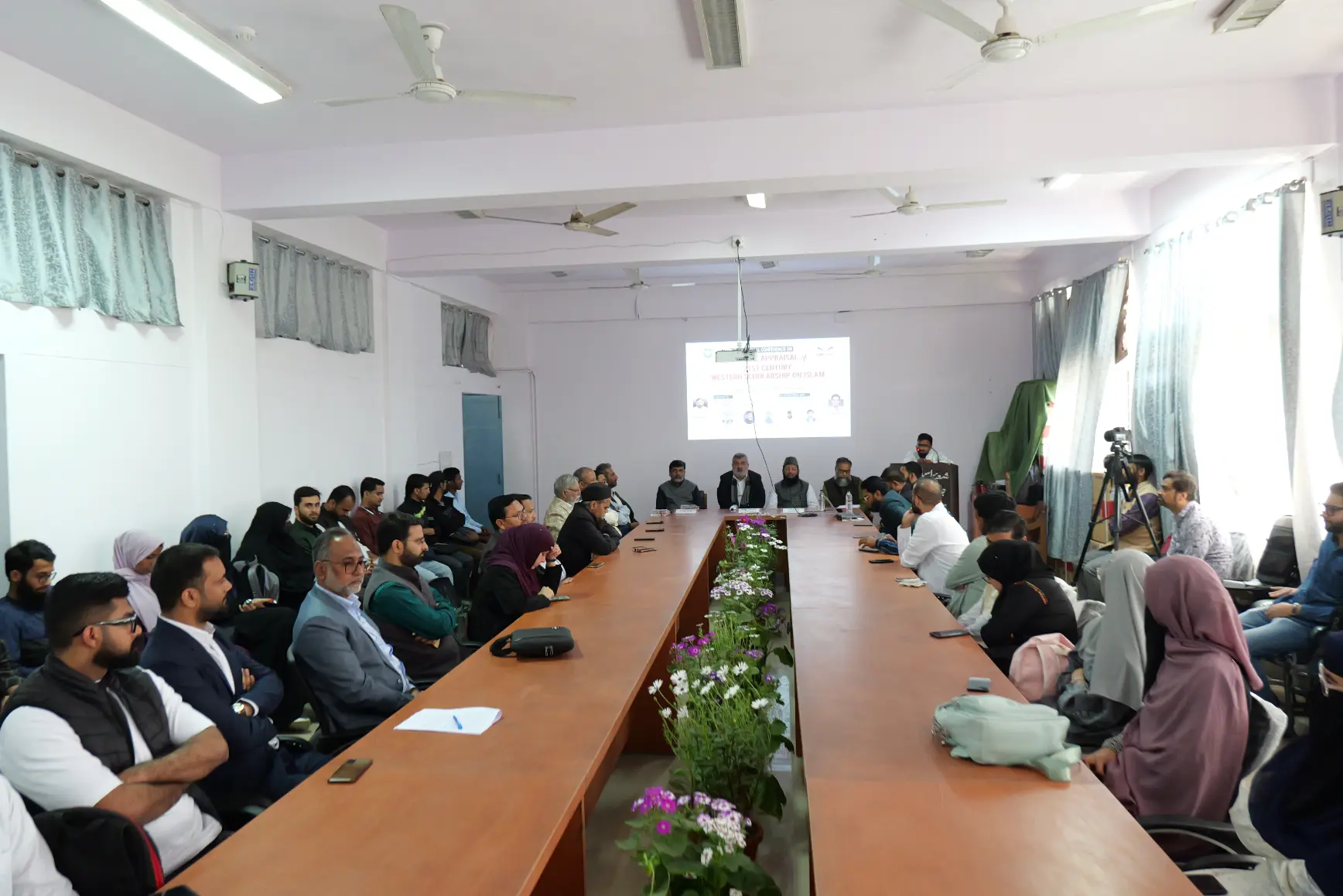
The Centre for Study and Research (CSR India), New Delhi, in collaboration with the Department of Islamic Studies, Jamia Millia Islamia (JMI), conducted a one-day national seminar titled “A Critical Appraisal of 21st-Century Western Scholarship on Islam” at Jamia Millia Islamia, New Delhi, on February 17, 2026.
Dr Mohammed Rizwan, Director of the Seminar, delivered the welcome address. He explained that the primary objective of the conference is to cultivate a serious academic temperament among students through the principles of observation, study, and critical evaluation. He also aimed to provide an intellectual environment for discussion, debate, competition, and dialogue, enabling students to contribute significantly to research and criticism on par with their Western counterparts.
Prof. Mohd Fahim Akhter Nadwi, former Head of the Department of Islamic Studies at Maulana Azad National Urdu University, Hyderabad, delivered the keynote address in the inaugural session. He noted positive shifts in 21st-century Seerah studies while urging Arabic proficiency for direct access to primary sources. Prof. Nadwi further stated that while young researchers are equipped with modern modes of thought and proficiency in English, a strong command of Arabic is equally essential, as it enables direct access to Islam’s authentic primary sources.
Prof. Abdur Raheem Kidwai, Director of the K.A. Nizami Centre for Qur’anic Studies at Aligarh Muslim University, addressed the gathering via video message. He observed that in past decades, several Orientalists had presented interpretations of the Seerah based on distortion and unfounded allegations. However, in the 21st century, some serious and fair-minded Western scholars have portrayed the blessed life of the Prophet (peace be upon him) in a more objective and intellectually honest manner. This emerging trend has paved the way for promoting shared moral and human values between Muslims and Christians.
In his presidential address, Prof. Iqtidar Mohd Khan, Head of the Department of Islamic Studies and Dean of the Faculty of Humanities and Languages, presented a historical and intellectual overview of the origins and development of Orientalism and Islamic Studies. He remarked that Orientalist scholarship has primarily focused on the Qur’an, Prophetic traditions (Hadith), and Seerah, often aiming to create doubts and distance modern Muslim minds from these foundational sources. Yet history shows that the more intellectual and ideological challenges Islam has faced, the stronger and more resilient it has emerged. He advised students to study the Qur’an and Seerah directly from their original sources, engaging with them thoughtfully and reflectively, as a sound understanding of Islam is possible only through deep study of the Qur’an and Sunnah.
Prof. Kunwar Yusuf Amin’s plenary address emphasized interdisciplinary approaches to Islamic Studies, advocating a shift beyond purely historical methods. He stated that in the 21st century, Islamic Studies cannot remain confined to historical and philological methods; it must adopt a multidimensional perspective to match the subject’s breadth and intellectual depth.
The seminar featured two academic sessions in which ten scholars presented research papers on diverse themes. The sessions were chaired by Prof. Mohammad Ishaque and Prof. Syed Shahid Ali, with proceedings conducted by Dr. Anisur Rahman and Dr. Mohammad Usama. The vote of thanks was delivered by Seminar Coordinators Dr. Mujtaba Farooq.
The seminar’s success was made possible through the dedicated efforts of the Department of Islamic Studies faculty, particularly Dr. Mohammad Arshad, Dr. Mohammad Khalid Khan, Dr. Mohammad Umar Farooq, and Dr. Javed Akhtar—along with the organizing committee.